
Appraisal Repairs in Phoenix: Roof Coatings, Cooling, and Desert Weathering
Sun-destroyed roof coatings, a failing AC in July, and stucco that's been baking for thirty years — Phoenix has its own list.
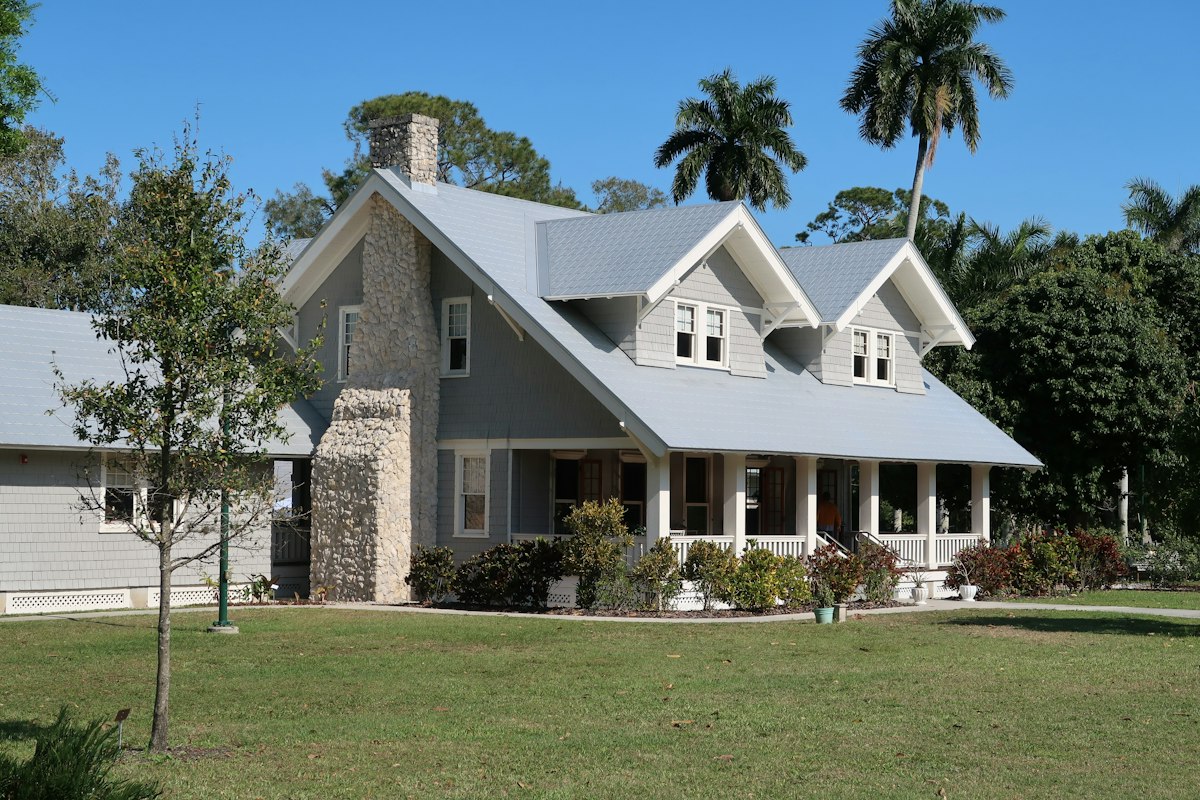
Appraisal Repairs in Phoenix: Roof Coatings, Cooling, and Desert Weathering
Phoenix appraisal repairs are a study in what relentless sun does to a house. There's very little moisture-driven rot here, almost no freeze damage, and no termite-riddled crawl spaces. Instead the Valley produces a list driven by ultraviolet degradation, extreme heat, and the mechanical systems that fight it.
And one Phoenix condition carries more urgency than any other: if the air conditioning doesn't work in July, nothing else on your list matters yet.
What "subject to repairs" means
An appraiser valued the property for your lender. On FHA, VA, or USDA loans, they also verified the home meets the program's Minimum Property Requirements — safety, soundness, and security. Where something fell short, the value was made "subject to" specified work.
Your underwriter converted those into loan conditions. The loan cannot fund until the work is done and an appraiser returns to certify it on Form 1004D.
The conditions that come up most in Phoenix
Cooling: the highest-priority Phoenix item
Functioning cooling in Phoenix is a habitability question in the most literal sense, and appraisers verify that systems operate.
Three Valley-specific realities:
Peak-season capacity is brutal. From June through September, Phoenix HVAC contractors run at full tilt on emergency no-cool calls. A July HVAC condition can face genuine scheduling delays, and rush pricing is real.
Evaporative coolers. Older Valley homes may have swamp coolers, either as the primary system or alongside refrigerated air. Appraisers examine whether the cooling provided is adequate and functional, and a non-operational evaporative cooler on the roof can be cited both as a mechanical item and as a roof penetration issue.
Heat pump systems. Common in the Valley, and they provide both cooling and heating. Program loans require a permanent, code-compliant heat source, and a failed heat pump takes out both functions at once.
If your appraisal cites HVAC, call a licensed contractor the same hour. This is the item most likely to blow a Phoenix closing date.
Roof coatings and flat roofs
The signature Phoenix roof issue.
A large share of Valley housing has flat or low-slope roof sections with built-up, foam, or single-ply membranes protected by an elastomeric coating. Arizona sun destroys those coatings. A coating that should last several years chalks, cracks, and fails, exposing the substrate.
Appraisers cite:
- Failed, cracked, or chalking roof coating
- Ponding water on flat sections and inadequate drainage
- Deteriorated or open parapet wall and scupper conditions
- Damaged flashing at roof penetrations
- Blistering or delaminating foam
- Cracked or slipped tiles on pitched sections, and deteriorated underlayment beneath them
Two practical points:
Recoating a flat roof is often a moderate-cost, fast job — genuinely one of the better outcomes on a Phoenix list. Get a licensed roofer to scope it against the exact citation.
Tile roofs mislead people. The tiles themselves last decades, but the underlayment beneath them does not, and Phoenix heat degrades it. An appraiser citing a tile roof may be citing failed underlayment, which is a much larger job than replacing broken tiles — the tiles must be lifted and reset. Get the specific language before assuming it's cheap.
Stucco cracking and deterioration
Most Valley homes are stucco over frame or block. Decades of thermal cycling — 110-degree days, cool nights — produces cracking, spalling, and separation, especially at openings and control joints.
Appraisers cite cracking that exposes substrate or allows water intrusion during monsoon rains. Cosmetic hairline cracking usually isn't cited; open cracks and failed areas are.
Note that stucco repair typically needs to be textured and painted to match, which is what makes it more than a patching job.
Sun-degraded exterior components
Phoenix UV destroys things other climates don't:
- Wood fascia, trim, and garage door jambs — dried, split, and checked rather than rotted
- Exterior paint — chalking and failing, particularly on south and west exposures
- Vinyl and plastic components — brittle and cracked
- Weatherstripping and door seals
- Wooden gates and fences — dried out and failing
Peeling paint on pre-1978 homes
Phoenix's pre-1978 stock is concentrated in central Phoenix — Encanto, Coronado, Willo, Garfield, F.Q. Story — plus older Glendale, Mesa, Tempe, and Scottsdale's original core.
On FHA and VA loans, defective paint surfaces on pre-1978 homes must be stabilized using lead-safe practices, including on detached garages, sheds, and fences. Arizona sun makes paint chalk and fail faster than owners expect. Painting over failing paint doesn't satisfy the citation, and thorough cleanup is required.
Pool safety
A genuinely common Phoenix condition, given how many Valley homes have pools.
Arizona has pool barrier requirements, and municipalities add their own. Appraisers may cite:
- Missing or non-compliant pool barrier or fencing
- Self-closing and self-latching gate hardware not functioning
- Damaged pool enclosure
- Non-functioning pool equipment, or an empty or green pool as a condition item
Pool barrier corrections are usually straightforward but need to match the applicable local requirement — confirm what your jurisdiction requires rather than guessing.
Electrical
Older central Phoenix housing produces the usual: missing cover plates, exposed junction boxes, GFCI protection at kitchen and bath receptacles, ungrounded outlets, and obsolete panels. Phoenix also has a heat-specific wrinkle: exterior-mounted panels and disconnects on west-facing walls degrade in the sun, and appraisers cite deteriorated or corroded exterior equipment.
Licensed electrician required, license number on the invoice.
Water heater and plumbing
Temperature and pressure relief valve discharge lines are commonly cited. Arizona's hard water shortens water heater life, and Phoenix garages routinely exceed 120 degrees in summer, which is hard on tanks.
Handrails, steps, and walls
Standard citations on step runs and elevated landings. Block walls are ubiquitous in the Valley, and leaning, cracked, or damaged block walls come up — usually a modest repair, occasionally requiring an engineer's look if a wall is significantly out of plumb.
Well and septic outside the metro
Beyond the metro edge and into rural Maricopa, Pinal, and Yavapai counties, private wells and septic systems are common. USDA loans require water quality testing and septic certification, with county environmental health involvement. Start the water test at contract on those files.
Licensing in Arizona
Arizona is comparatively strict, and this matters:
- The Arizona Registrar of Contractors (ROC) licenses contractors by classification. Electrical, plumbing, HVAC, roofing, and general contracting all require the appropriate license.
- Arizona has a handyman exemption for minor work below a modest dollar threshold — but that threshold is low enough that most appraisal repair lists exceed it, and any licensed-trade element must go to the licensed trade regardless.
- ROC licenses can be verified online, and doing so is standard practice. Verify before hiring.
Permitting spans Phoenix, Mesa, Scottsdale, Chandler, Gilbert, Glendale, Tempe, Peoria, Surprise, and unincorporated Maricopa County. Roofing, electrical, and HVAC replacement typically require permits. Confirm your contractor can permit in the specific jurisdiction.
Realistic Phoenix costs
| Condition | Typical Phoenix cost | |---|---| | Flat roof recoating | $1,200–$5,000 | | Flat roof repair (localized) | $500–$3,000 | | Tile roof underlayment replacement | $8,000–$25,000+ | | Full shingle roof replacement | $9,000–$20,000 | | HVAC repair | $350–$2,500 | | HVAC / heat pump replacement | $6,500–$15,000 | | Evaporative cooler repair | $250–$1,200 | | Stucco crack repair and texture match | $500–$4,000 | | Exterior paint stabilization | $600–$4,500 | | Wood fascia and trim replacement | $400–$3,000 | | Electrical corrections and GFCI | $200–$1,700 | | Panel replacement | $2,200–$5,000 | | Pool barrier or gate correction | $400–$3,000 | | Block wall repair | $500–$4,000 | | Water heater relief line | $150–$450 | | Missing handrails / guardrails | $200–$1,000 | | 1004D re-inspection fee | $125–$325 |
Most Phoenix repair lists total $900 to $4,000. HVAC replacement and tile roof underlayment are the outliers that push it much higher.
Timeline: what's realistic in Phoenix
| Days | What happens | |---|---| | 0 | Read the appraisal fully, including addenda. Copy conditions verbatim. If HVAC is cited, call a licensed contractor this hour. | | 0–1 | Get the underwriting condition list. Get the roof citation's exact language — recoating and underlayment replacement are very different jobs. | | 1–2 | ROC-licensed contractors scoped against verbatim language; licenses verified online; permitting jurisdiction confirmed; before photos taken. | | 2–6 | Work performed; permits pulled where needed. | | 6 | Every item verified against citation language; documentation assembled; site cleaned. | | 6–7 | Loan officer notified; utilities confirmed on so the cooling can be verified. | | 7–14 | 1004D ordered, appraiser visits, report delivered, condition cleared. |
What stretches it in Phoenix specifically: peak-summer HVAC capacity, a tile roof citation turning out to be underlayment rather than tiles, pool barrier requirements varying by municipality, and permit queues in the larger Valley cities.
The rules that apply everywhere
Wherever the property is, these hold:
- Get the underwriting condition list verbatim from your loan officer before spending a dollar. Most of an appraisal is description, not requirement.
- Match the appraiser's exact wording. Certification is against the citation, not against equivalent effort.
- Use licensed contractors on electrical, plumbing, HVAC, roofing, structural, and lead-related work — unlicensed work on those trades gets rejected by underwriting regardless of quality.
- Fix first, settle who pays at closing. A week spent negotiating a $700 repair often costs more than the repair in rate lock extension fees.
- Complete every item in one pass and clear the Form 1004D re-inspection on the first visit. A second trip costs another fee and roughly a week.
- Document as you go: dated before and after photos, itemized invoices with license numbers, permits where required.
Two Phoenix additions: treat an HVAC citation as a same-hour call in summer, and get the exact roof citation language before pricing — recoating versus underlayment is a difference of an order of magnitude.
How AppraisalFix works in your market
The repair itself is rarely the bottleneck — the search is. A homeowner gets a repair list, then starts cold-calling contractors who don't return calls, can't produce insurance certificates, or can't start for three weeks. Meanwhile the rate lock burns.
AppraisalFix was built for exactly this window. We read the appraisal, isolate the lender-required items, match the file to licensed and insured repair professionals already vetted in that market, document the completed work with before/after photos and receipts, and coordinate the 1004D recertification with the original appraiser. In Phoenix that means reading the roof citation correctly the first time, verifying ROC licenses, and finding HVAC contractors with genuine capacity in the middle of a Valley summer.
Have an appraisal with repair conditions? Submit the report and we'll return a scoped repair plan with vetted local pros — usually within 24 hours.
Frequently asked questions
What repairs do lenders most commonly require in Phoenix?
Cooling system function, failed flat roof coatings and tile roof underlayment, stucco cracking, sun-degraded fascia and trim, peeling paint on pre-1978 central Phoenix homes, pool barrier and gate items, and electrical corrections.
Why is HVAC the most urgent Phoenix repair item?
Because functioning cooling is a genuine habitability question in the Valley and appraisers verify it — and because June through September Phoenix HVAC contractors are saturated with emergency no-cool calls, so scheduling delays are real. Call the same hour you read the citation.
My Phoenix appraisal cites the tile roof — is that expensive?
Possibly. Tiles last decades but the underlayment beneath them degrades in Arizona heat, and replacing it requires lifting and resetting the tiles — a much larger job than replacing broken tiles. Get the exact citation language before assuming it's a cheap fix.
Do I need a licensed contractor for appraisal repairs in Phoenix?
In nearly all cases yes. The Arizona Registrar of Contractors licenses by classification, and electrical, plumbing, HVAC, roofing, and general contracting all require the appropriate license. Arizona's handyman exemption threshold is low enough that most repair lists exceed it.
Are pool safety items common on Phoenix appraisals?
Yes, given how many Valley homes have pools. Missing or non-compliant barriers, self-closing and self-latching gate hardware, and pool condition all get cited. Confirm your specific municipality's barrier requirement rather than guessing.
How much do appraisal repairs cost in Phoenix?
Most complete lists run $900 to $4,000. Flat roof recoating is often a moderate, fast fix; HVAC replacement and tile roof underlayment replacement are the items that push a list much higher.
The bottom line
Phoenix repair lists come from sun and heat: failed roof coatings, degraded tile underlayment, cracked stucco, dried-out trim, and cooling systems working at their limit. Call an HVAC contractor the same hour if cooling is cited, get the exact roof language before pricing, verify ROC licenses, keep the utilities on for the re-inspection, and clear the 1004D on the first visit.
Related Guides

Appraisal Repairs in Dallas-Fort Worth: FHA, VA & 1004D Turnaround Guide (2026)
North Texas clay soil, hail-damaged roofs, and pre-1978 paint conditions frequently trigger subject-to appraisals in DFW. Here is how loan officers and homeowners clear 1004D conditions in days.
Appraisal Repairs in Denver & Colorado: Cold-Weather MPRs, Roofs & Radon Rules
From Front Range hail damage to winter weather escrow holdbacks and heating source rules, here is how Colorado loan officers and homeowners clear appraisal repairs on schedule.
Soffit, Fascia, Gutters & Exterior Siding Callouts on Home Appraisals
Missing siding panels, rotted fascia boards, and open soffits invite moisture and pests into the structure, making them prime targets for FHA and VA appraisers.
have appraisal repairs holding up a closing?
Get a qualified handyman on-site in 24–48 hours and a re-certified 1004D in days, not weeks.