
Roof Condition and Appraisals: Remaining Economic Life, Repair vs. Replace, and Closing on Time
Roof conditions are the most expensive common appraisal repair. Here's how appraisers judge a roof and when repair is enough.
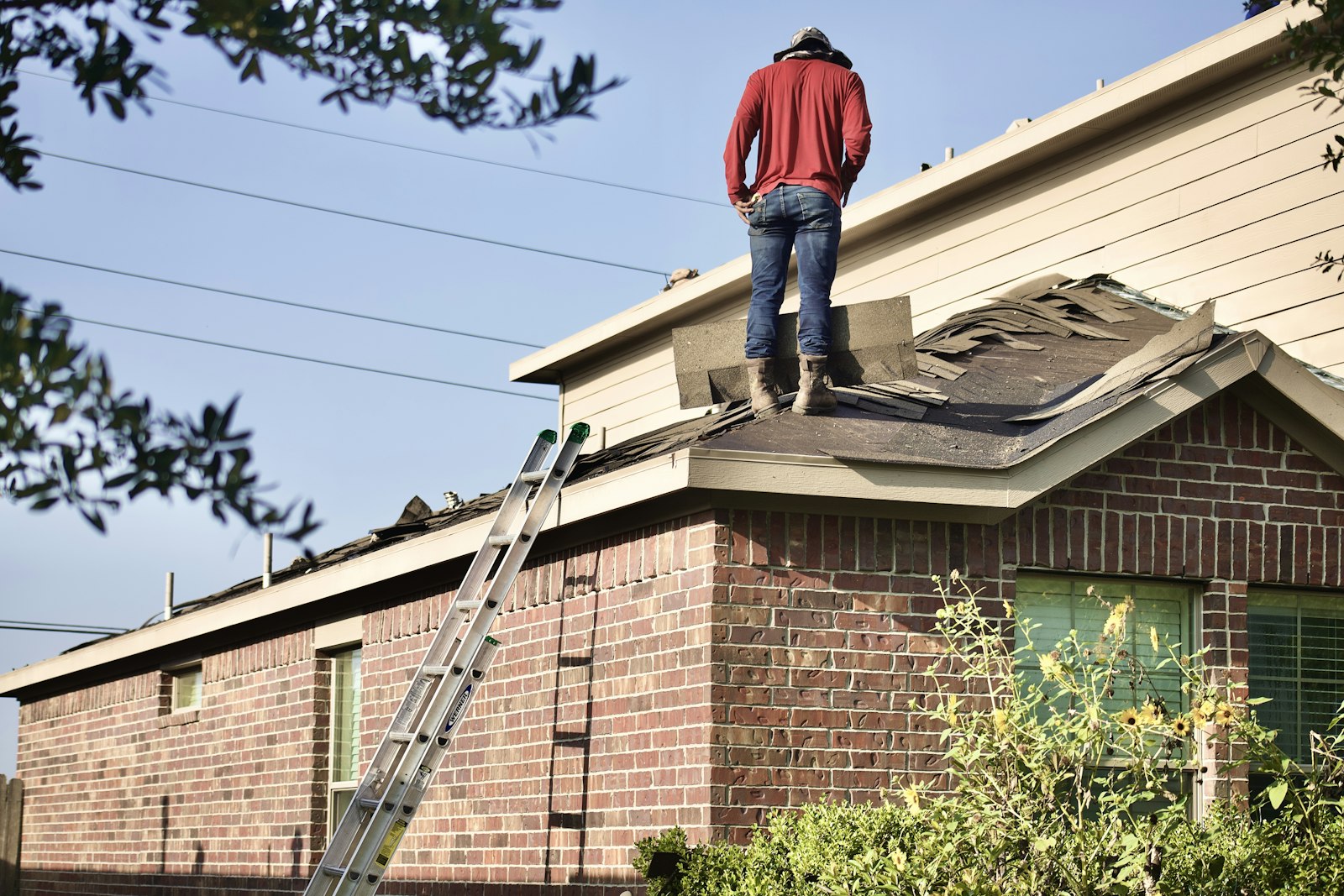
Roof Condition and Appraisals: Remaining Economic Life, Repair vs. Replace, and Closing on Time
Most appraisal repair conditions are inconvenient. Roof conditions are expensive — and they're the one item capable of turning a routine repair addendum into a renegotiation of the entire deal.
They're also the condition where the gap between "what the appraiser wrote" and "what people assume the appraiser wrote" is widest. Appraisers are not roofers, and their job is not to grade your shingles. Understanding what they're actually assessing is how you figure out whether you're facing a $900 repair or a $16,000 replacement.
What appraisers actually evaluate
An appraiser looks at a roof through two lenses.
One: does it currently keep water out? Active leaks, water staining on ceilings, moisture or daylight visible in the attic, damaged or missing flashing, and open gaps at penetrations are all straightforward failures. This is a present-tense functional test.
Two: how much service life does it have left? This is remaining economic life, and it's the concept that drives most roof conditions. Government-backed programs expect a roof to have meaningful remaining life — commonly framed as roughly two years or more on FHA and VA files. A roof that's technically not leaking today but visibly at the end of its service life can still be conditioned.
Note what's not being assessed: aesthetics, mismatched shingle color from a prior repair, moss or algae staining that isn't causing damage, or minor granule loss consistent with normal aging.
The specific findings that generate a condition
- Active leaks or evidence of ongoing water intrusion
- Water staining in the attic or on interior ceilings
- Missing, cracked, curled, or lifted shingles — especially in patches or across a slope
- Exposed underlayment or sheathing
- Widespread granule loss with visible bald areas
- Deteriorated or missing flashing at valleys, chimneys, vents, and wall junctions
- Sagging or uneven rooflines suggesting sheathing or structural failure
- Improper or failed prior repairs — patched with incompatible materials, tar smears over failures
- Multiple existing layers combined with visible failure
- Damaged or missing gutters causing water to run against the structure
- Soft or spongy decking noted where the appraiser can observe it
- Missing or damaged vent boots and pipe collars
How the programs differ
| Program | Roof expectation | |---|---| | FHA | Must prevent moisture entry and have reasonable remaining life, commonly framed as ~2+ years. Conditions are common. | | VA | MPRs require a roof that prevents moisture entry with reasonable future utility. Conditions are common. | | USDA | Follows HUD-based standards; similar expectations. Rural housing stock means this comes up often. | | Conventional | No explicit remaining-life rule, but roof condition feeds the C1–C6 condition rating. A failing roof can push a property to C5 or C6, which typically requires repair. |
The layers question is worth flagging: where a roof already carries multiple existing layers of covering and is failing, replacement rather than an additional overlay is often required. Piling a third layer onto a failing roof is not an accepted fix.
Repair or replace? How to tell
This is the decision with all the money in it. Some honest guidance:
Repair is usually sufficient when:
- The damage is localized — one slope, one valley, storm damage in a defined area
- The rest of the roof is within its expected service life
- Flashing or a vent boot is the actual failure point
- The underlying decking is sound
- The appraisal language references specific areas rather than the roof as a whole
Replacement is usually required when:
- The covering is at or past the end of its service life across the roof
- Failure is widespread rather than localized
- Multiple existing layers are present and the roof is failing
- The decking is compromised
- The appraisal or a roofing contractor's evaluation puts remaining life under the threshold
- Prior repairs have created a patchwork that can't be reliably extended
When you genuinely can't tell: get a written evaluation from a licensed roofing contractor stating the roof's condition and estimated remaining life. Two useful outcomes: it tells you what you're actually facing, and a credible professional statement of remaining life is often exactly the documentation an underwriter needs to accept a repair rather than requiring replacement. This is one of the few places where spending on an inspection can save five figures.
What it costs
| Scope | Typical 2026 range | Time | |---|---|---| | Roofing contractor evaluation letter | $150–$500 (sometimes free with a bid) | 1–5 days | | Vent boot or pipe collar replacement | $150–$450 | 2 hours | | Flashing repair (chimney, valley, wall) | $350–$1,200 | 1 day | | Localized shingle repair | $450–$1,500 | 1 day | | Larger section repair | $1,500–$4,500 | 1–2 days | | Decking repair (per sheet) | $250–$700 | included in scope | | Full asphalt shingle replacement | $9,000–$22,000 | 2–4 days | | Tear-off surcharge, multiple layers | $1,000–$3,500 added | adds 1 day | | Metal roof replacement | $18,000–$45,000 | 3–7 days | | Tile repair or partial replacement | $800–$5,000 | 1–3 days | | Gutter repair or replacement | $400–$2,200 | 1 day |
Typical U.S. ranges; pricing varies significantly by region, pitch, height, access, and material.
The scheduling reality nobody plans for
Roof work has two constraints you can't buy your way out of.
Weather. You cannot properly install roofing in rain, high wind, or freezing conditions. A week of storms is a week of delay, full stop. In northern markets, a late-fall roof condition can bump against genuine seasonal limits.
Contractor availability. Roofers book out, and they book out much further after a regional storm event. If a hailstorm went through your metro two months ago, every roofer within fifty miles has a backlog, and a $900 flashing repair on a mortgage deadline is the least attractive job on their board.
That second constraint is why roof conditions produce disproportionate delay relative to their complexity. The work is a day. The wait can be a month.
When a holdback is the answer
Roof conditions are among the most common candidates for an escrow holdback — closing the loan with funds withheld to complete the work afterward. It's most available on conventional financing, restricted on FHA, and restricted on VA.
Holdbacks are most plausible when the roof isn't actively leaking, the delay is caused by weather or material lead time rather than negotiation, and the lender's policy permits it. The escrowed amount typically exceeds the estimated cost with a cushion, and completion is required within a defined window after closing — with a 1004D still needed afterward to release the funds.
If seasonal weather is genuinely going to prevent completion, raise a holdback with your loan officer early. Asking after clear-to-close is too late.
Negotiating a roof condition
Because the dollars are real, roof conditions get negotiated harder than any other repair item. Common outcomes:
- Seller replaces the roof before closing — cleanest for the buyer, most expensive for the seller
- Price reduction with the buyer handling the roof after closing — only viable if the lender doesn't require pre-closing completion, which on FHA and VA it usually does
- Seller credit toward the work, within program and lender concession limits
- Cost split where remaining life is genuinely arguable
- Repair instead of replacement, supported by a licensed roofer's written remaining-life statement
- Escrow holdback where permitted
A point sellers often miss: a roof condition doesn't disappear with this buyer. Any future FHA, VA, or USDA buyer's appraiser will reach the same conclusion, and even conventional buyers will see it in the condition rating. Declining to address it usually just costs market time.
How AppraisalFix shortens this timeline
The repair itself is rarely the bottleneck — the search is. A homeowner gets a repair list, then starts cold-calling contractors who don't return calls, can't produce insurance certificates, or can't start for three weeks. Meanwhile the rate lock burns.
AppraisalFix was built for exactly this window. We read the appraisal, isolate the lender-required items, match the file to licensed and insured repair professionals already vetted in that market, document the completed work with before/after photos and receipts, and coordinate the 1004D recertification with the original appraiser. On roof conditions we move first on the question that decides everything — repair versus replace — by getting a licensed roofer's written remaining-life assessment in front of underwriting quickly, which is frequently what turns a replacement demand into an accepted repair.
Have an appraisal with repair conditions? Submit the report and we'll return a scoped repair plan with vetted local pros — usually within 24 hours.
Frequently asked questions
What are FHA's roof requirements?
The roof must prevent moisture entry and have reasonable remaining economic life, commonly framed as roughly two years or more. Active leaks, widespread failure, and end-of-life coverings are conditioned for repair or replacement.
Can I repair instead of replacing the roof?
Often yes, when the damage is localized and the rest of the roof has service life left. A written remaining-life assessment from a licensed roofing contractor is frequently what convinces underwriting to accept a repair.
How many layers of shingles are allowed?
Where a roof already has multiple existing layers and is failing, replacement with a tear-off is typically required rather than adding another overlay.
Does a leaking roof stop a loan from closing?
On FHA, VA, and USDA files, almost always — an active leak is a straightforward soundness failure that must be corrected and certified before funding.
Can I close with an escrow holdback for the roof?
Sometimes, most often on conventional financing and usually only when the roof isn't actively leaking and the delay is weather or material driven. It's restricted on FHA and VA. Ask your loan officer early.
How much does an appraisal-required roof repair cost?
Localized repairs typically run $450–$1,500, larger sections $1,500–$4,500, and full asphalt shingle replacement $9,000–$22,000 depending on size, pitch, and layers.
The bottom line
Roof conditions are the highest-stakes item on any appraisal repair list, and the single most valuable move is resolving repair-versus-replace quickly and credibly. Get a licensed roofer's written assessment of remaining life, put it in front of underwriting, and if weather or backlog makes pre-closing completion impossible, raise a holdback before clear-to-close rather than after.
Related Guides
Swimming Pools, Empty Pools & Hot Tubs on FHA, VA & Conventional Appraisals
An empty or uncovered in-ground pool is treated as a severe fall hazard by FHA, VA, and conventional appraisers alike. Learn what it takes to clear pool-related appraisal conditions.

Form 442 vs. Form 1004D: Completion Evidence Explained
Understand legacy completion-report names, update versus completion purposes, lender evidence alternatives, and how to avoid requesting the wrong inspection.
Protecting Personal Data in Appraisal Repair Documents
Share only the repair information each participant needs while preserving original lender documents, reviewing redacted copies, and using appropriate secure channels.
have appraisal repairs holding up a closing?
Get a qualified handyman on-site in 24–48 hours and a re-certified 1004D in days, not weeks.