
Seller Concessions vs. Completing Appraisal Repairs
Understand why a seller credit does not automatically clear a physical repair condition and coordinate contract, lender, and completion documentation reviews.
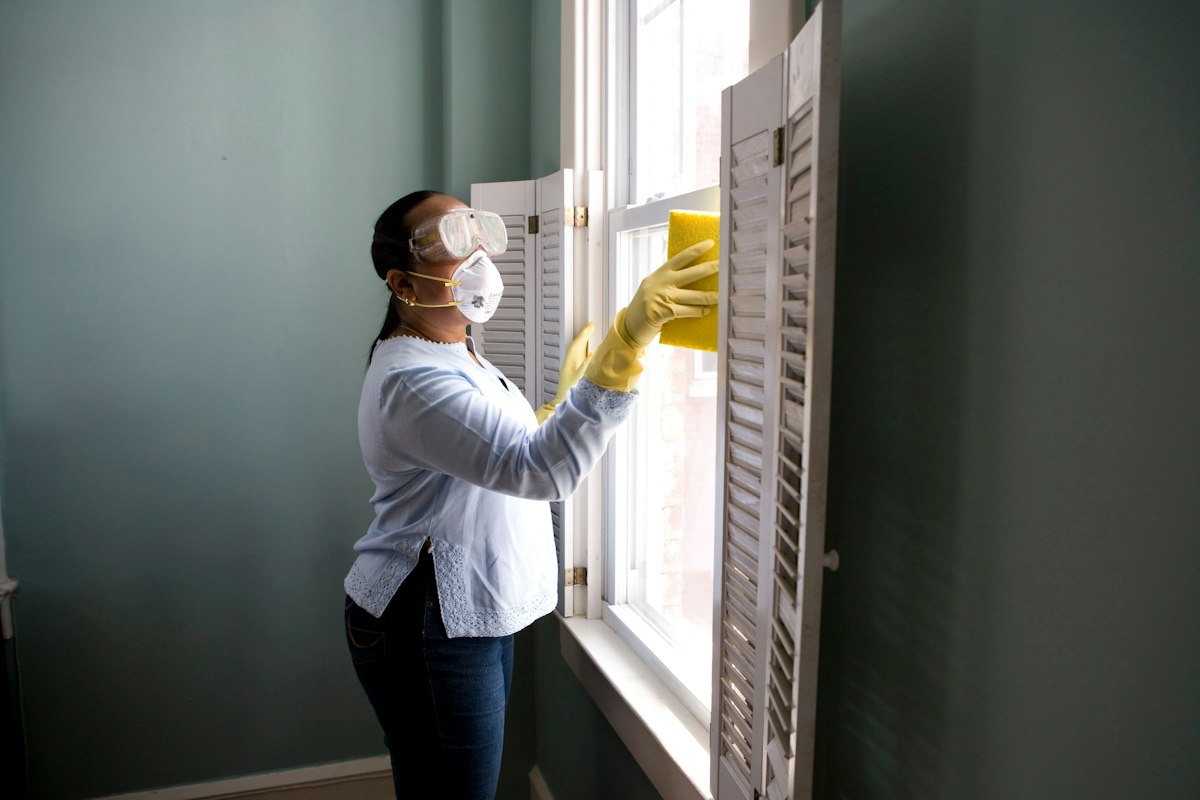
The Closing Gridlock: When Repairs Stall the Mortgage
The friction point between a contract closing and a lender’s appraisal report often manifests as a "condition requirement." When an appraiser identifies repairs necessary to meet the property’s safety, soundness, or structural integrity standards—as outlined in Fannie Mae Selling Guide B4-1.3-06—the transaction hits a diagnostic pause. The fundamental coordination problem arises when stakeholders assume that a price reduction or a seller credit can simply "buy out" the requirement for physical completion.
Under current secondary market guidelines, a seller concession does not automatically waive a lender’s requirement for property compliance. Whether the loan is conventional, FHA (guided by HUD Handbook 4000.1), or VA, the appraiser’s observation of a deficiency—such as missing handrails on a deck, exposed wiring, or peeling paint on a pre-1978 home—triggers a mandate that must be reconciled before the lender can clear the file to close.
Participant Roles and the Decision Matrix
Distinguishing responsibilities is critical to avoiding circular negotiations. The appraiser acts as the eyes of the lender, documenting the condition of the subject property based on the "as-is" or "subject-to" parameters of the engagement. The lender holds the ultimate authority to determine whether a property meets program eligibility and if escrowed repairs or physical completion are required per Fannie Mae Selling Guide B4-1.2-05.
- The Homeowner: Bears the initial burden of either performing the work or securing a contractor. Relying on an informal agreement to "fix it later" rarely satisfies underwriting requirements for safety-related items.
- The Real Estate Agent: Must resist the urge to treat appraisal repairs as traditional repair-request negotiations. These are not home inspection items; they are mortgage conditions.
- The Contractor: Essential for documenting that the work meets building codes and local requirements. A contractor’s invoice is not, by itself, a guarantee that the lender’s specific "subject-to" conditions have been satisfied.
The Myth of the "Automatic Waiver"
A common point of failure in real estate transactions is the belief that an addendum shifting financial responsibility for repairs to the seller—or offering a cash credit to the buyer—absolves the property of the physical condition requirement. It does not. If an appraisal is marked "subject to repairs," the lender requires evidence that the work was completed to a professional standard before funding.
Furthermore, simply filing a contract amendment or obtaining a municipal signoff does not automatically satisfy the lender’s underwriting department. While local permits are necessary for legal compliance, lenders often require an independent verification (such as a 1004D or equivalent lender-authorized inspection) to ensure the specific items cited by the appraiser have been remediated. Financing eligibility is determined by the individual lender’s risk appetite and specific program overlay; there is no universal rule that permits "paying away" a structural safety violation.
Pre-Coordination Checklist: Essential Documentation
Before initiating repair work, all parties should prepare a "compliance package." Failure to organize these documents early often leads to last-minute delays at the closing table.
- The Appraisal Report Condition Statement: Review the specific "subject-to" requirements listed by the appraiser. Ensure the scope of work specifically addresses every deficiency noted. Do not assume that replacing a roof satisfies a "safety-related" condition if the report specifically mentioned electrical or plumbing hazards.
- Scope of Work Agreement: Obtain a written, signed agreement from the contractor that explicitly references the repairs noted in the appraisal report. Vague invoices stating "general home repairs" are frequently rejected by underwriters.
- Proof of Authorization: Ensure the contractor has the necessary licensure and, if applicable, the required permits for the specific work being performed.
- Evidence of Completion: Confirm with the loan officer what specific form of evidence is required. While Form 1004D (the Certification of Completion) is a common standard, it is not the only acceptable evidence. Some lenders may accept dated photos or a detailed contractor’s affidavit, but this must be confirmed before the work commences, not after.
- Lender/Underwriter Verification Procedure: Request written clarification from the lender regarding their process for clearing the "subject-to" condition. Does the appraiser need to return to the property? Is a simple reinspection by a third party sufficient? Does the lender require a final title search showing no new mechanics' liens?
Navigating the Repair Gap
If the seller and buyer decide to move forward, the decision rests on whether the lender allows "postponed improvements" via escrow holdbacks. This is an underwriting decision, not a legal right. AppraisalFix exists to assist in coordinating these logistics, but it remains the responsibility of the transaction parties to ensure all work meets the lender's stringent standards.
When a contractor is replaced mid-process, the new party must inherit the documented scope of work. Unilateral decisions—such as withholding payment or terminating a contract without providing documentation of the unfinished or completed state—frequently create title clouds and lender complications. Always prioritize transparency with the loan officer throughout the remediation process; an informed lender is significantly more likely to provide a pathway to closing than one blindsided by an undocumented repair attempt.
Navigating the Appraisal Correction Workflow: From Clarification to Clearance
When a "Subject to Completion" or "Subject to Repairs" appraisal report is issued, the period between notification and loan funding is often fraught with miscommunication. To maintain transaction integrity, all parties must shift from a reactionary mindset to a structured, documented workflow. Following the standards set forth in Fannie Mae’s Selling Guide (B4-1.3-06) regarding property condition and safety, the objective is to satisfy the lender’s requirement that the property meets basic habitability and structural standards.
The Standardized Coordination Workflow
To ensure a smooth transition from repair identification to final lender acceptance, stakeholders should adhere to the following steps:
- Clarification and Scope Definition: Upon receipt of the appraisal, the loan officer must review the specific "Subject to" conditions. If the appraiser’s language is ambiguous—for example, citing "repair peeling paint" without specifying the scope—the agent should coordinate with the appraiser through the AMC to gain clarity. Do not assume the scope; document the clarified requirements in writing.
- Contractor Engagement and Authorization: The homeowner must authorize the contractor to perform the specific repairs listed in the appraisal. It is critical that the contractor receives a documented scope of work that aligns strictly with the appraisal report. Note: AppraisalFix or any third-party coordinator does not possess underwriting authority; they are merely facilitating the communication of requirements.
- Repair Execution: Contractors should photograph the site before, during, and after the repairs. These photos serve as primary evidence for the lender.
- Evidence Collection and Submission: The borrower or agent compiles the contractor’s itemized invoice, receipts for materials, and the photo evidence. This package is submitted to the lender for review.
- Lender Final Review: The lender evaluates the evidence to determine if it meets their internal guidelines for safety and soundness. While a Form 1004D (or 442) is a common reporting tool, it is not universally required by all lenders or loan programs for every repair type. Always consult the specific lender's protocol for postponed work verification as outlined in Fannie Mae Selling Guide B4-1.2-05.
Hypothetical Example: The Peeling Paint Dilemma
Consider a conventional loan transaction where the appraiser identifies peeling paint on the home’s exterior trim, citing safety concerns under HUD-inspired habitability standards. The contractor initially suggests painting the entire house to match, which increases costs.
The agent, following the workflow, clarifies with the appraiser that only the areas of peeling lead-based paint on the trim require mitigation. The homeowner hires a licensed professional who scrapes, primes, and paints the specific trim areas. The contractor provides a "Completion Certification" statement, along with dated photos of the finished trim. The agent submits this to the lender, who accepts the evidence in lieu of a formal reinspection, clearing the condition. This saved the transaction from unnecessary scope creep and delays.
Common Mistakes and Remedial Actions
Mistake 1: The "Assumption of Waiver" via Concessions. A common error is believing that offering a financial credit (concession) to the buyer for repairs automatically satisfies the lender’s appraisal condition. In reality, unless the lender explicitly approves a repair escrow or agrees that the concession covers the cost of work to be completed post-closing, the "Subject to" requirement remains. Remedy: Ensure any credit or escrow agreement is documented in an addendum and signed off by the lender’s underwriting department before the closing date.
Mistake 2: Relying on Municipal Signoffs as Appraisal Clearance. Obtaining a city permit or a municipal inspection signoff is excellent for local compliance, but it does not supersede the lender’s specific appraisal conditions. Remedy: Treat municipal approvals as supplementary documentation, not a substitute for the appraiser’s or lender’s direct verification of the property's condition.
Mistake 3: Unilateral Contract Termination. If a contractor fails to complete repairs on time, homeowners sometimes attempt to terminate the contract without legal consultation. Remedy: Always review the original service agreement. If the repair timeline is compromised, documented communication is required. Do not withhold payment arbitrarily; follow the dispute resolution process outlined in the contractor’s original contract to avoid legal exposure.
Documentation as the Path to Funding
It is essential to remember that Fannie Mae and Freddie Mac guidelines, as well as FHA/VA requirements (referenced in HUD Handbook 4000.1 for FHA-specific standards), prioritize the lender’s risk management. Neither sellers nor real estate agents have the authority to waive a lender’s safety requirement.
The goal is to provide the lender with an "audit trail." This includes the original appraisal report, the documented scope of work, the evidence of completion (photos and receipts), and any supplemental documentation requested by the underwriter. When the evidence is organized and transparent, the lender can make a prompt decision regarding property eligibility. Stakeholders should avoid promises of "guaranteed approval" or "instant clearing," as final decisions always rest with the lender’s underwriter based on their assessment of the property's risk and the adequacy of the documented improvements. By focusing on verifiable evidence and adhering to the specific lender’s process, the repair phase moves from an obstacle to a manageable task.
Navigating Exceptions, Escalations, and the Handoff Checklist
When a property fails to meet minimum safety, soundness, or structural integrity standards—as defined by Fannie Mae’s B4-1.3-06—the initial reaction is often to pivot to seller concessions. However, lenders are constrained by secondary market requirements regarding property condition. While seller concessions (credits for closing costs) are common in real estate transactions, they are not a "fix" for appraisal conditions. If a lender requires a roof repair to ensure structural soundness, a $5,000 credit in lieu of the repair does not satisfy the collateral requirement. The property must be brought to code or standard, and the lender must verify that work via an acceptable evidence pathway before clearing the loan for closing.
Exceptions and Escalation Protocols
Exceptions are rare and usually limited to minor cosmetic items that do not affect the safety, soundness, or marketability of the home. If an appraiser notes a "subject to" condition, the expectation is completion. If a conflict arises—such as the appraiser citing a condition that a licensed contractor deems irrelevant or non-existent—the escalation path is strictly through the lender’s appraisal department. An agent or homeowner should never contact an appraiser directly to "negotiate" a condition. Instead, provide the lender with supplemental documentation (e.g., a structural engineer’s report or a licensed tradesperson’s certification) to request an appraisal reconsideration or update. Note that FHA 4000.1 requirements for health and safety are particularly rigid; if an appraiser identifies a lack of secondary egress or a broken heating system, these must be addressed. There is no waiver for FHA safety protocols via seller credits.
Practical Handoff Checklist for Repair Coordination
Before the final inspection or the submission of evidence (like a Form 1004D or contractor statement), ensure this checklist is complete to prevent underwriter rejection:
- Scope Validation: Does the contractor’s invoice specifically reference the item numbers or descriptions found in the appraisal report? Vague descriptions lead to rejected evidence.
- Licensing Verification: Have you attached the current, valid license of the contractor and their proof of insurance to the final file?
- Permit Documentation: For structural repairs, has the municipal signoff been obtained? A contractor’s statement is rarely sufficient if the local municipality mandates a permit for the work performed.
- Photo Evidence: High-resolution before-and-after photos, clearly labeled, are standard expectation for non-invasive verification.
- Contractual Authorization: Does the homeowner have written authorization for the repair? Ensure the repair contract is executed and legally binding to prevent payment disputes that might result in liens.
Frequently asked questions
Can I just offer a credit to the buyer and handle the repair after closing?
Generally, no. If the appraisal condition affects the safety, soundness, or structural integrity of the collateral, the lender must verify the repair before closing to meet secondary market standards. Postponing work is only permitted for non-essential improvements or seasonal exterior work, and even then, it requires specific escrow holdback agreements authorized by the lender.
Does a municipal signoff automatically satisfy the lender’s appraisal conditions?
Not necessarily. While a city inspector’s signoff provides legal compliance, the lender’s appraiser or underwriter retains the authority to determine if the repair satisfies the specific deficiency noted in the appraisal report. It is a necessary document, but it is not the only document required.
What if my contractor disagrees with the appraiser’s findings?
You must escalate the disagreement through the lender. Request an "Appraisal Review" or "Reconsideration of Value" (ROV) and submit the professional, evidence-based report from the licensed contractor to the lender’s appraisal desk. Do not assume the appraiser will change their mind without objective, written evidence.
Does an FHA loan allow for "as-is" sales if the seller gives a credit?
No. FHA guidelines in Handbook 4000.1 are strict regarding the habitability and safety of the home. Properties must meet these standards at the time of closing. Concessions cannot bypass the physical requirements dictated by the property’s condition.
If I use a different contractor than originally quoted, what happens?
Lenders care about the scope of work and the quality of the completion, not the specific contractor’s identity. Ensure the new contractor provides a scope of work that matches the original requirement and that they provide valid licensing information.
How AppraisalFix works in your market
AppraisalFix acts as the connective tissue between the appraisal report and the repair completion. We do not perform repairs, nor do we influence underwriting or independent appraisal determinations. Instead, we coordinate with your local licensed contractors to ensure that the work performed matches the specific, coded requirements of the lender’s "subject to" conditions. By centralizing the documentation—licensing, permits, invoices, and photo evidence—we help streamline the handoff to your loan officer, reducing the time your file spends in "pending" status. To begin coordinating your appraisal repair requirements, visit: https://www.appraisalfix.com/SubmitJob
Sources
Related Guides

Refinance Appraisal Repairs: Clearing FHA Streamline, Cash-Out & VA IRRRL Conditions
In a refinance, there is no seller to negotiate with—the homeowner is responsible for every subject-to repair before the new loan can fund. Here is how to handle refinance appraisal repairs fast.

Broken Windows, Cracked Glass & Missing Screens: What Fails an FHA or VA Appraisal?
A single cracked window pane or stuck bedroom egress window can trigger a subject-to-repair condition. Learn what appraisers flag vs ignore and how to fix window callouts before closing.
Exposed Subflooring, Torn Carpet & Flooring Hazards on Mortgage Appraisals
Worn carpet rarely fails an appraisal, but bare subflooring, unfinished concrete in living areas, or severe trip hazards will. Here is the exact line between cosmetic wear and required repair.
have appraisal repairs holding up a closing?
Get a qualified handyman on-site in 24–48 hours and a re-certified 1004D in days, not weeks.